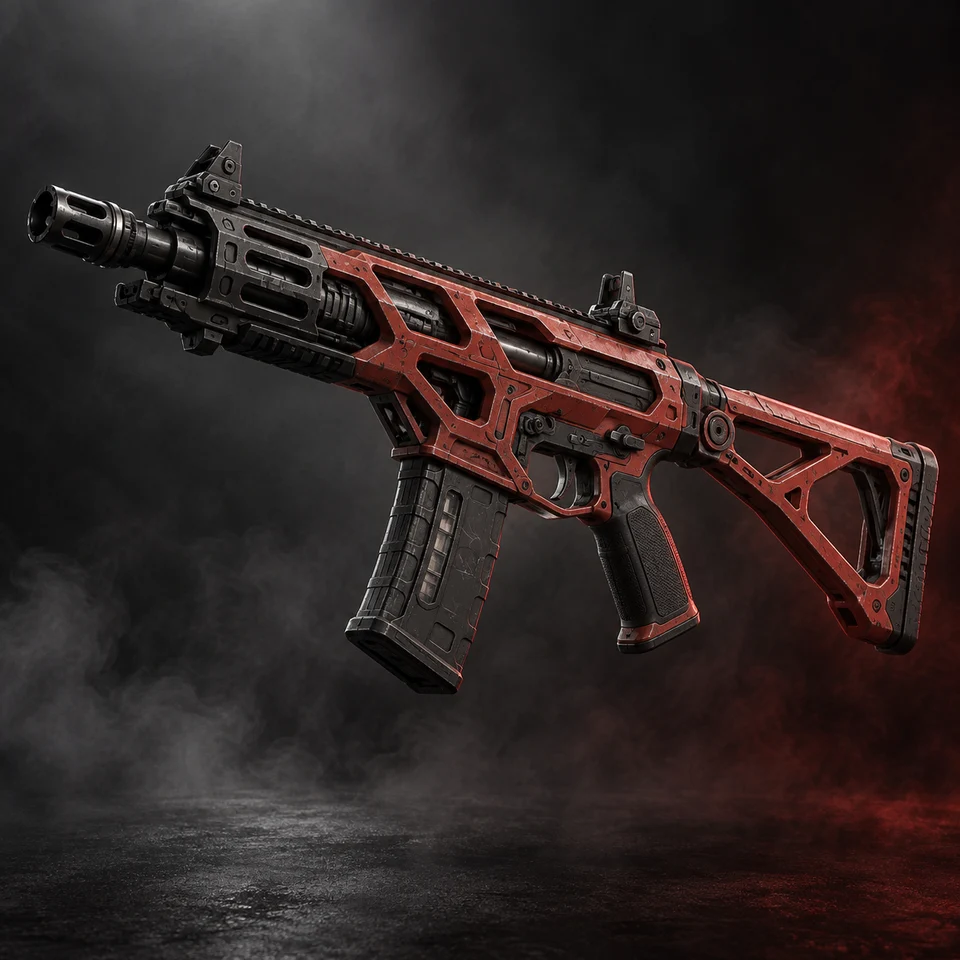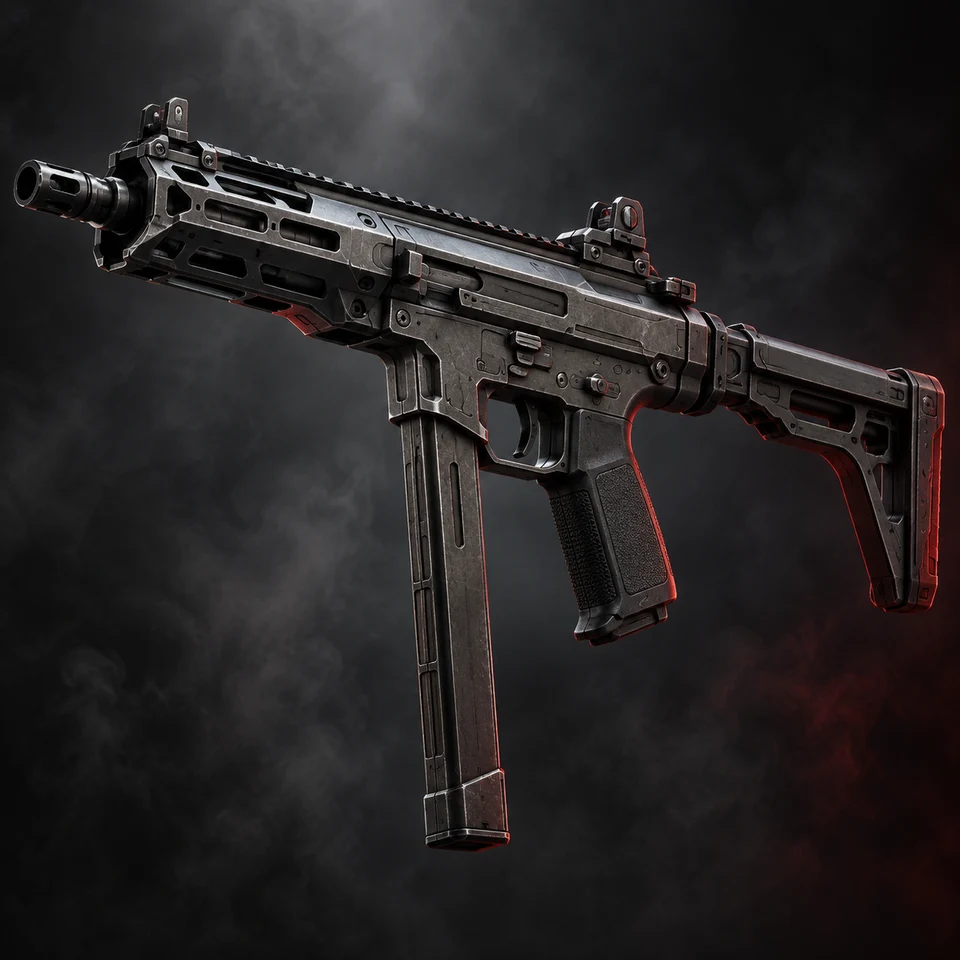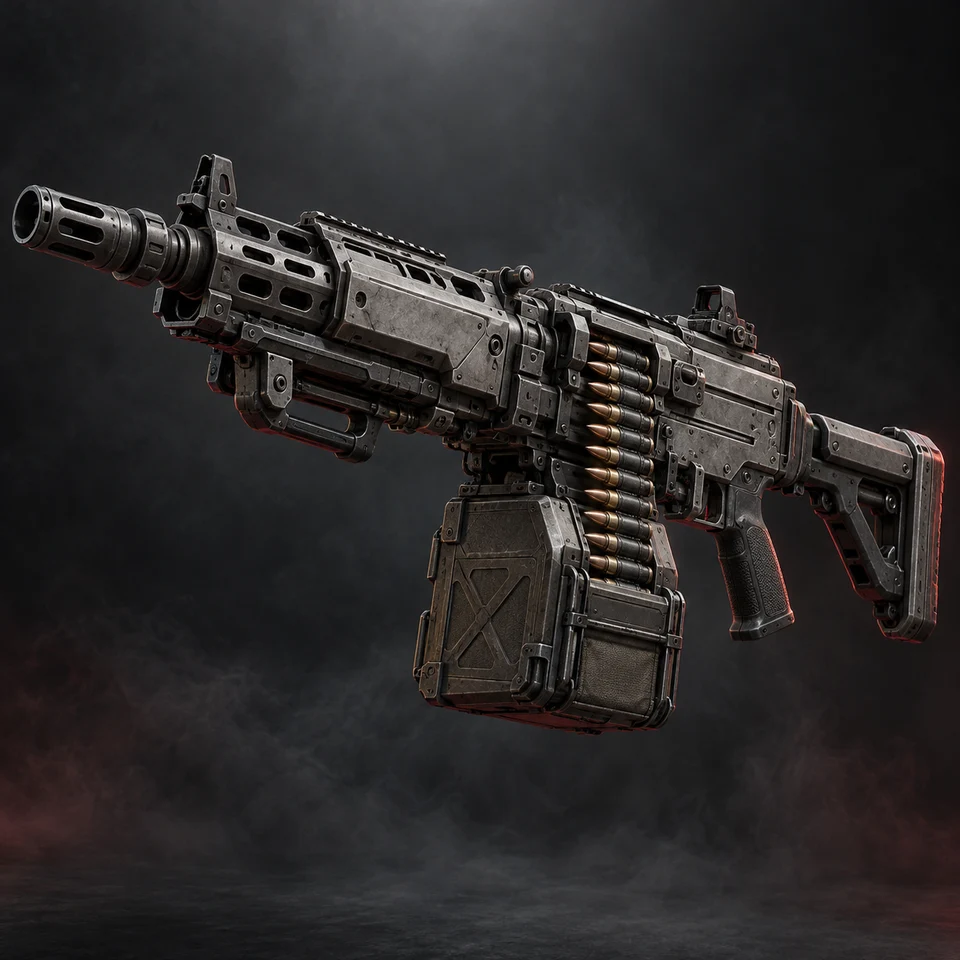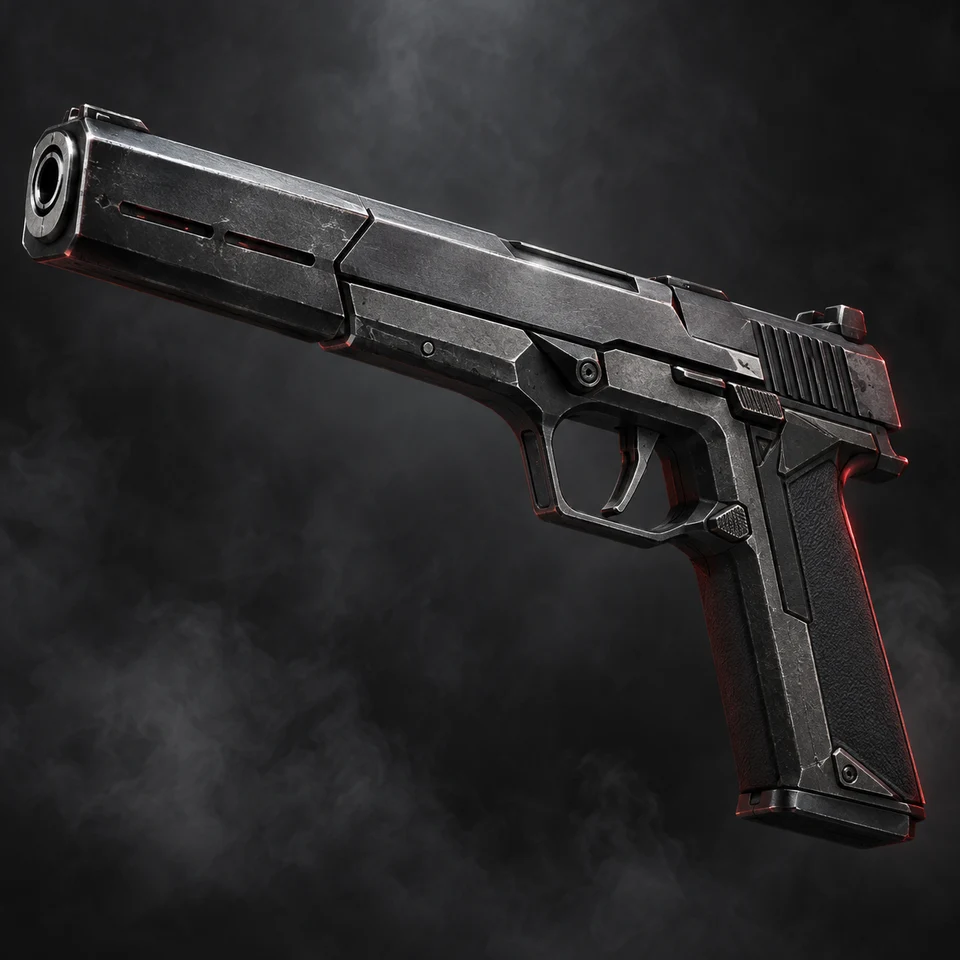
Start with the next two fights
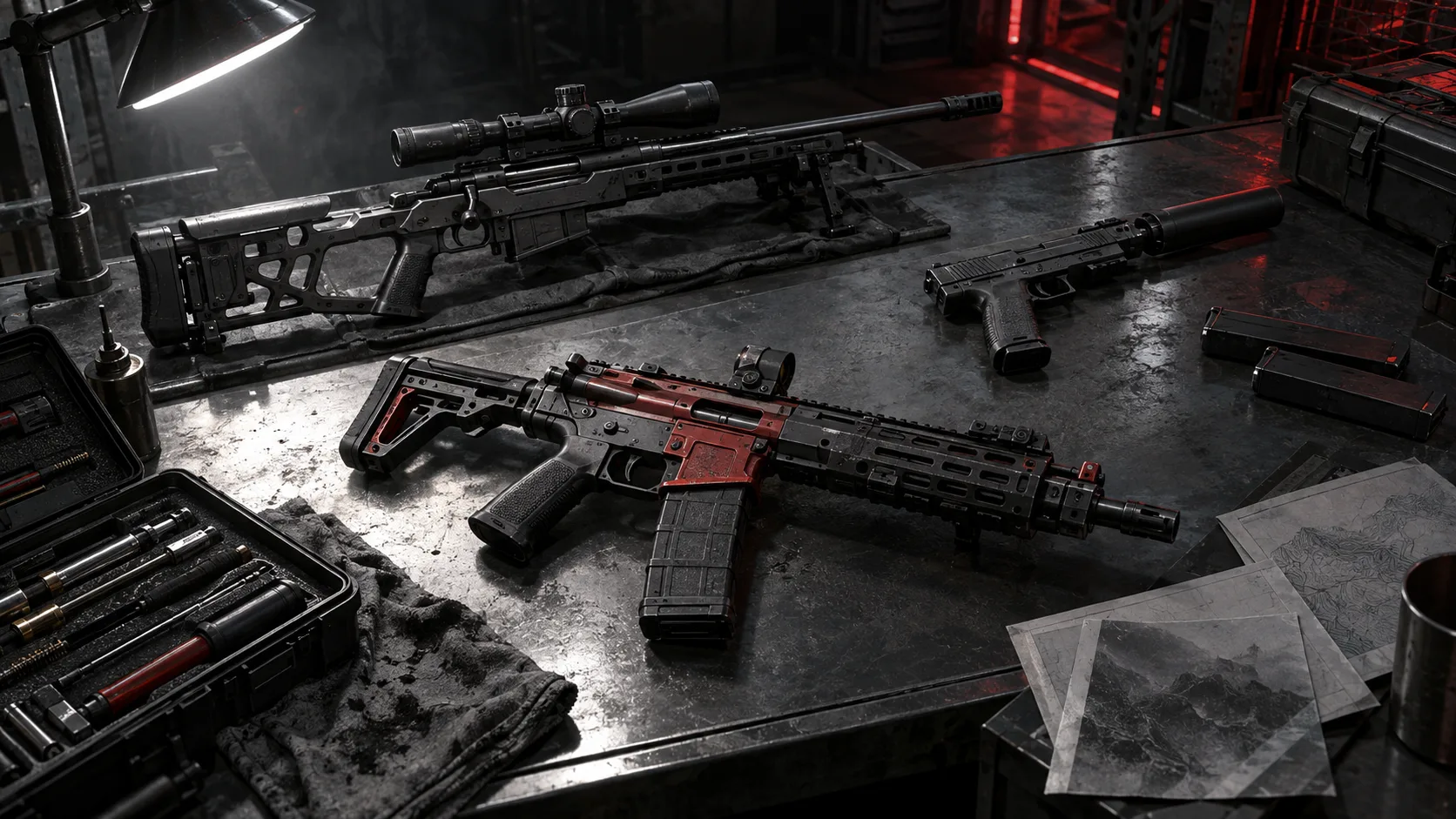
A loadout is a forecast. Before comparing damage values, ask where the first encounter will happen and where it is likely to move. A courtyard entry followed by a stairwell climb creates two different problems. Carrying two weapons that solve the courtyard leaves the squad vulnerable on the stairs. In the proposed NULLSHIFT arsenal, complementary ranges matter more than collecting the largest numbers. Read handling and recovery alongside damage: a weapon only helps while it can stay in the fight.
The cost of a missed burst
Damage per shot does not describe the time during which a weapon cannot help you. Reload duration, recovery between bursts and the exposure required to track a moving target all belong in the decision. A heavy weapon can control a lane until it needs a long reload; that is when its partner must be ready to take the angle. Count opportunities rather than imagined perfect hits. A modest weapon that stays available can protect an objective better than a spectacular opening shot.
Attachments should reveal a trade
Attachment design avoids a single upgrade path that makes every weapon quieter, steadier and faster at once. A longer assembly may support distance but demand more commitment indoors. A handling-focused setup gives up sustained pressure. Choose a drawback you can manage on your intended route, then tell the squad what your weapon can no longer cover. A useful modification changes a decision. It should not merely make an earlier version obsolete or hide a mandatory advantage behind cosmetic ownership.
Let the squad finish the kit
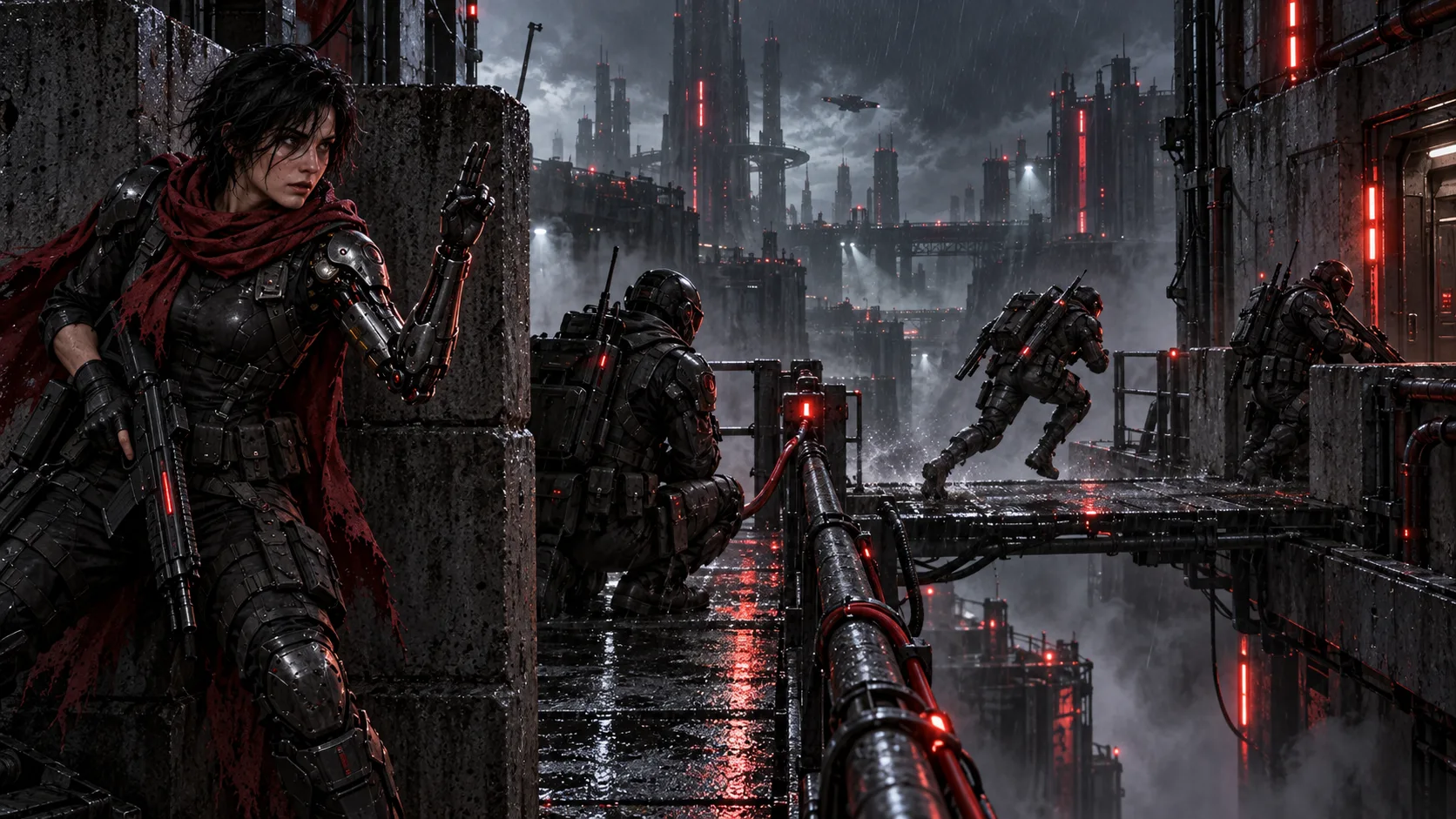
A duo needs enough overlap to survive a separation. A larger squad can specialise, but only if one missing operator does not remove every answer to close range. Discuss functions before favourite models: who watches the long crossing, who clears the near corner and who covers a reload? Two people staring through scopes at the same roof may look organised while leaving the only staircase unguarded. Spread responsibilities across sightlines, not simply across weapon classes.
A useful review after defeat
Ask whether the weapon failed its assigned job or was assigned the wrong job. A close-range platform losing across an open rail line is not automatically a balance problem. Record the distance, available cover, remaining ammunition and escape route before changing the loadout. This keeps discussion focused on decisions that can improve. Then replay the approach in your mind: a different doorway or an earlier reload might have solved the same encounter without replacing a single piece of equipment.