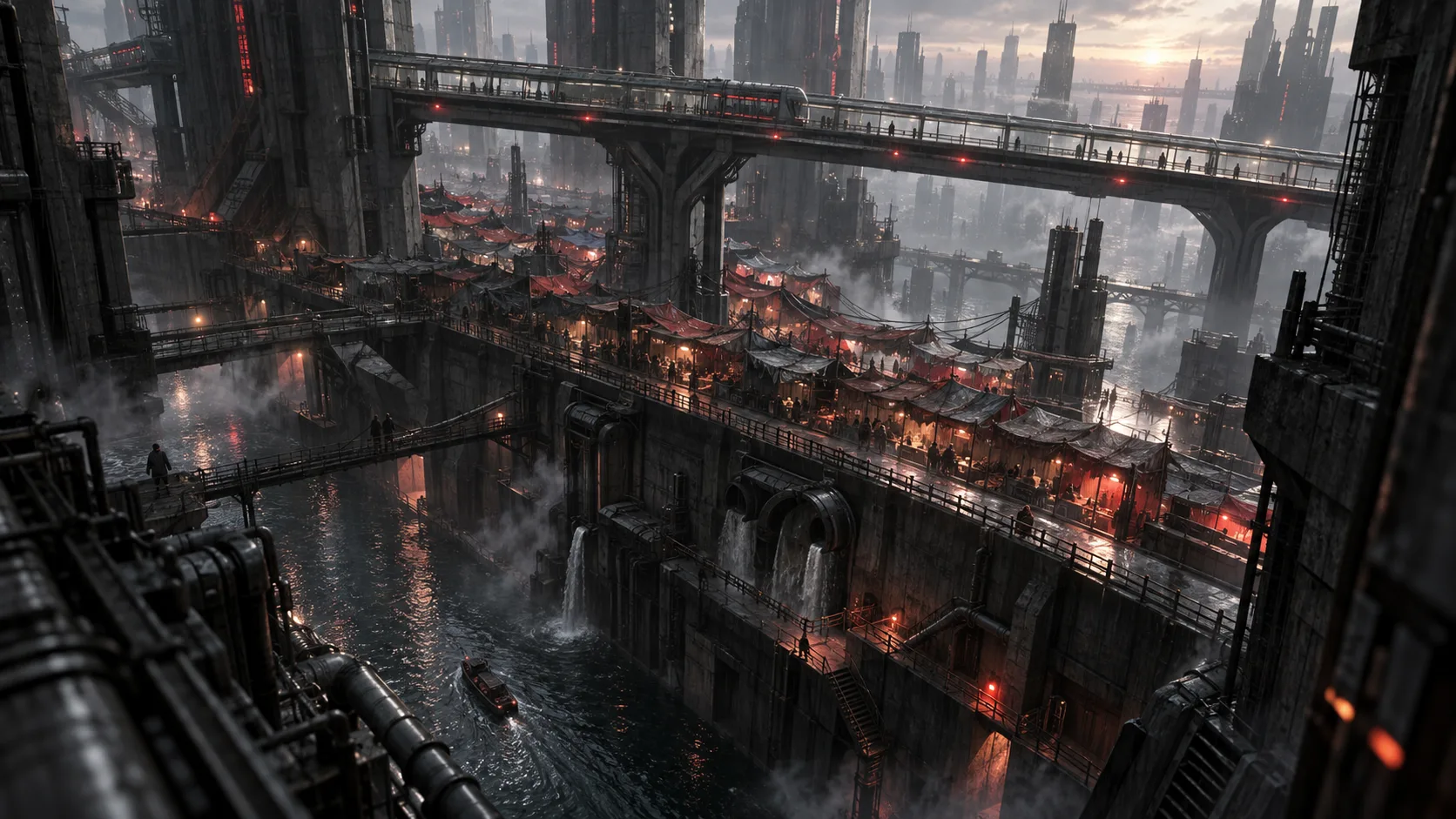
Glass Spine: information at a price
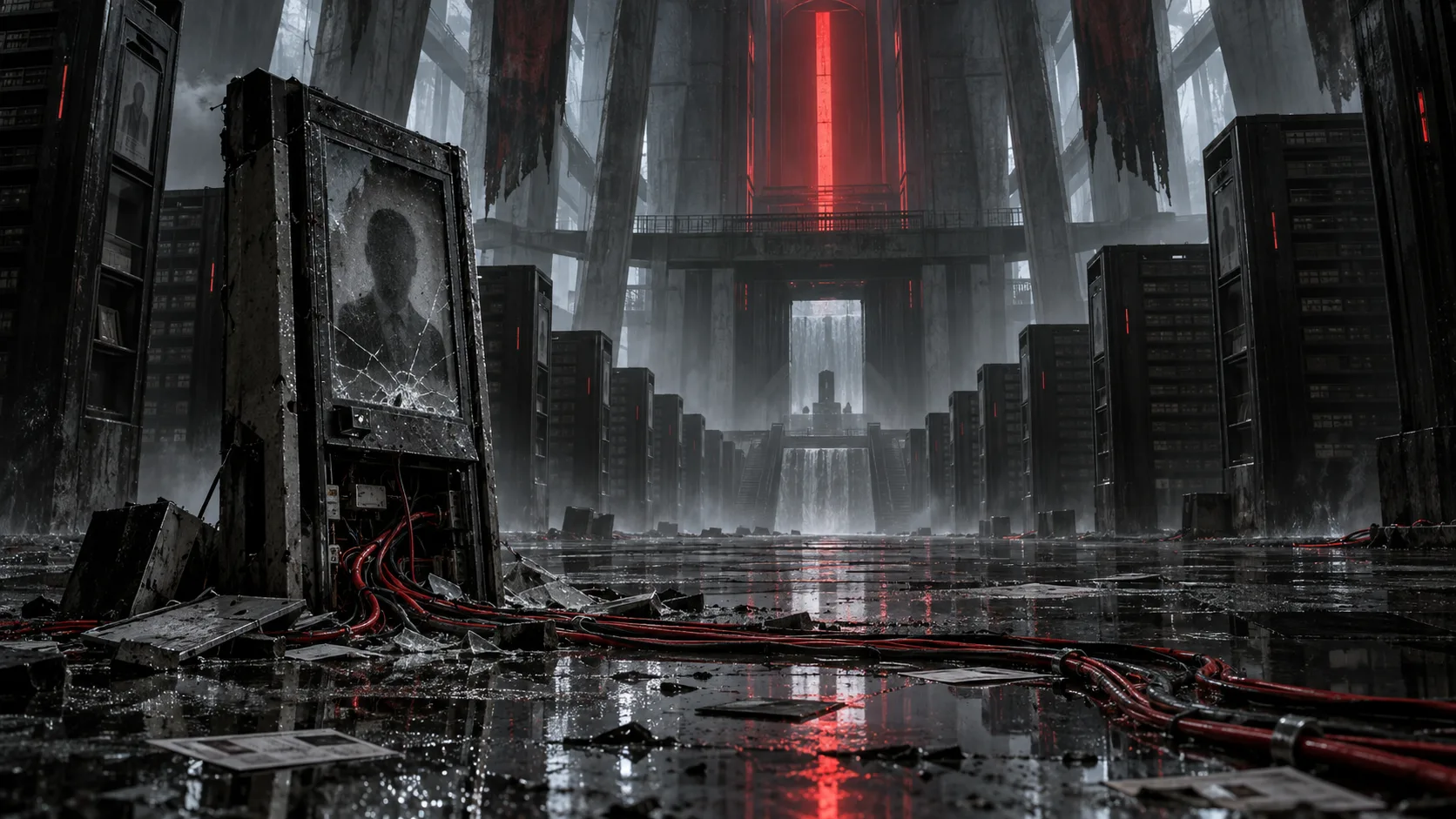
The elevated corporate district offers clean sightlines across bridges and maintenance roofs. It also exposes anyone who mistakes height for safety. Before taking a roof, identify its exits and the neighbouring windows that look onto them. A useful high position lets the squad move after being spotted. A roof with one ladder is a temporary observation post, not a home. Broken transit screens and structural ribs divide long views into readable sections.
Cinder Market: listen around the corner
Market stalls create many short lanes but few reliable straight crossings. A squad can hear an enemy without having a useful angle, so chasing every sound tends to split the team. Move from one protected pocket to the next and keep one player watching the route you just used. The market’s design language uses hanging cloth for orientation and solid machinery for cover; visual clutter should never make the difference between cover and decoration impossible to read.
Sump Channels: choose your exit first
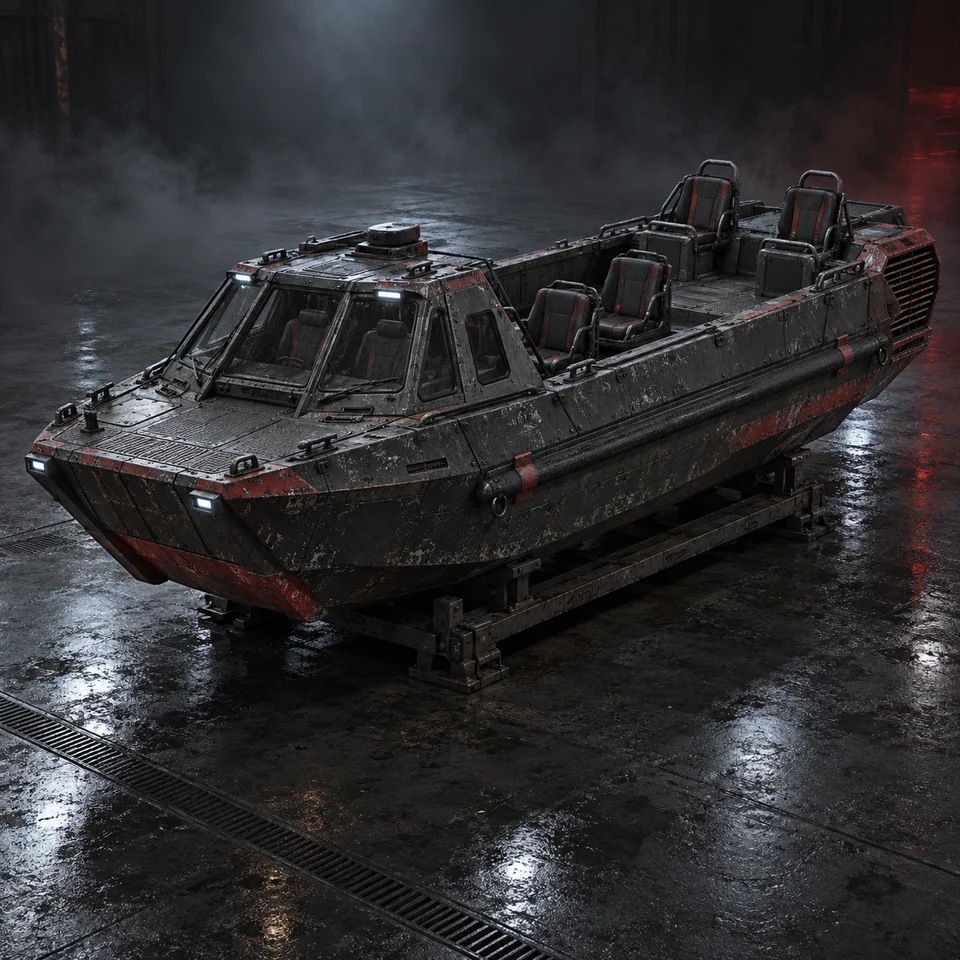
Below street level, cooling tunnels hide movement from rooftop observers. The cost is commitment: a flooded service channel may connect two districts while offering no lateral escape. Check the next exit before the whole squad enters, and treat an engine echo as information that other teams can also hear. A canal skiff changes the speed of a rotation, not the number of safe exits. If a route has become a trap, abandoning the vehicle can be the correct decision.
Vehicles are a route contract
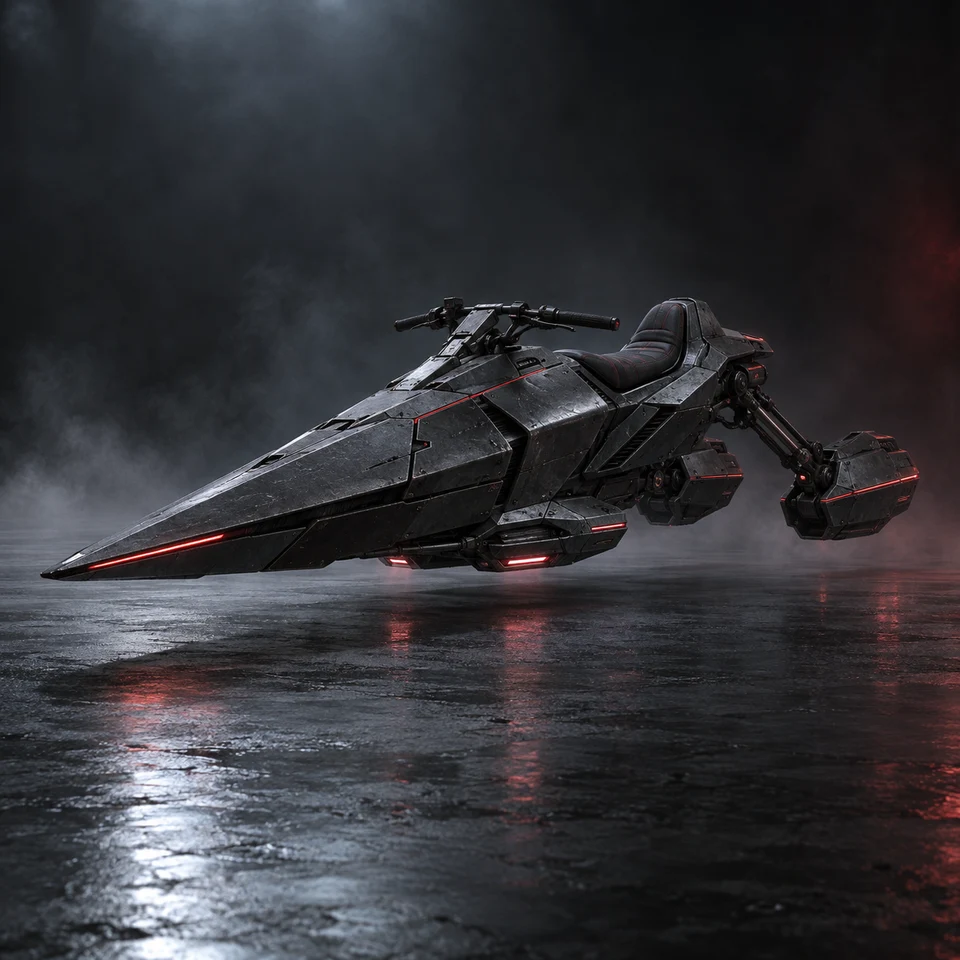
The SHARD hoverbike, KESTREL buggy and TIDEBREAKER skiff solve different terrain problems in the field guide. Choose by surface, passenger needs and the place you expect to dismount. Driving to the exact objective can announce both your arrival and your intended exit. Stop where the team can leave under cover, then approach on foot. A vehicle kept for retreat is only useful if someone remembers which direction it faces and whether the return lane remains open.
Rotate before the map decides for you
A useful rotation begins while the current position still works. Waiting until every alternative is closed turns a choice into a forced sprint. Use three questions: what can see this crossing, what will the next position let us do, and where can we go if it is occupied? These principles connect the modes even as their objectives differ. Mark the last piece of cover before an open stretch, and keep a teammate watching it until the slowest member has reached the next shelter.