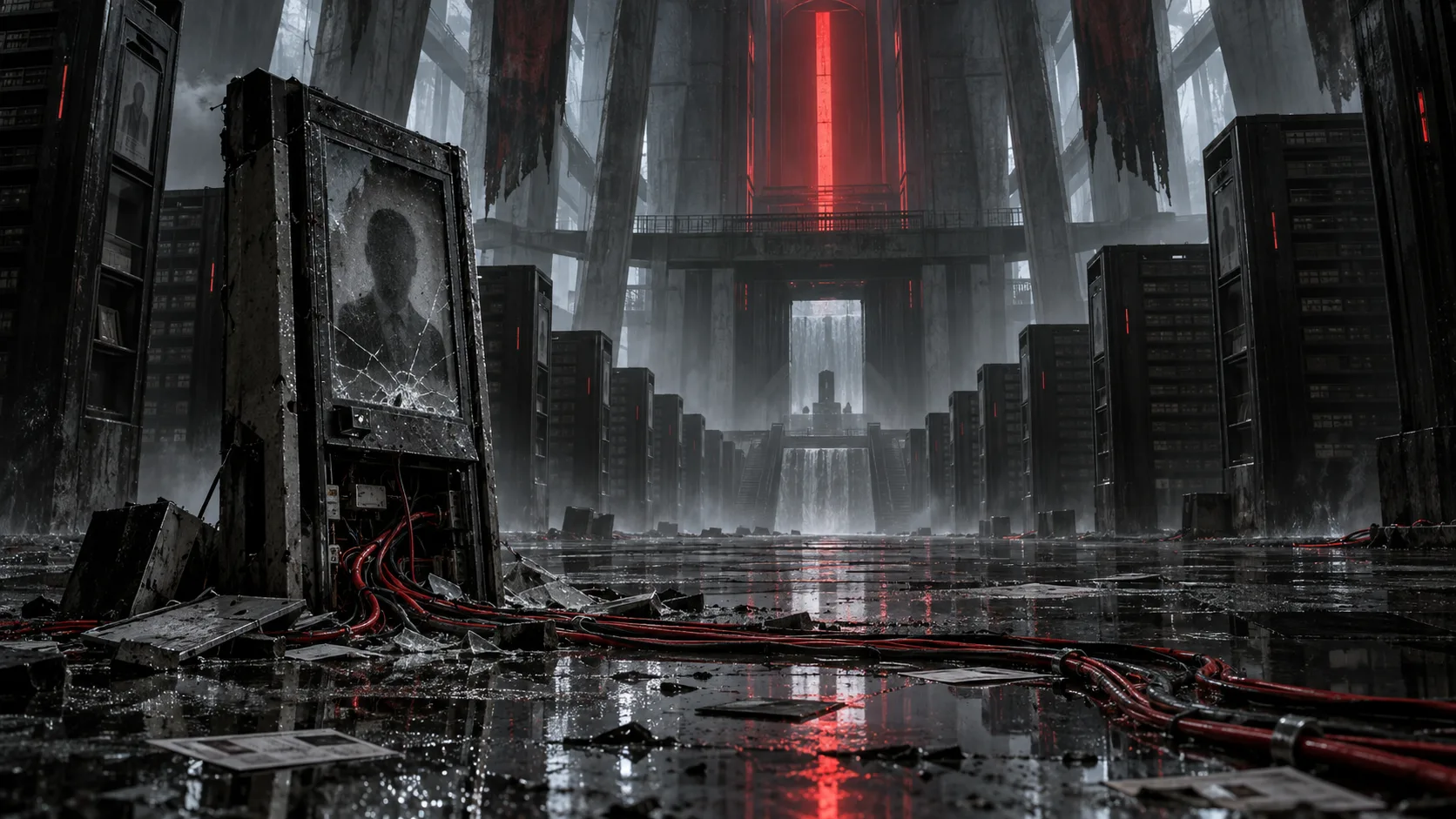
A ledger beneath every street
In the fiction of NULLSHIFT, Veyra stores more than camera footage. Its civic network links transit, hospital records and personal memory backups to a single identity ledger. A person can lose a home without a building being demolished: erase the ownership record and the door simply stops recognising them. The city’s first disaster was therefore quiet. Thousands of citizens woke to find that their own lives belonged to someone else.
Three answers to the blackout
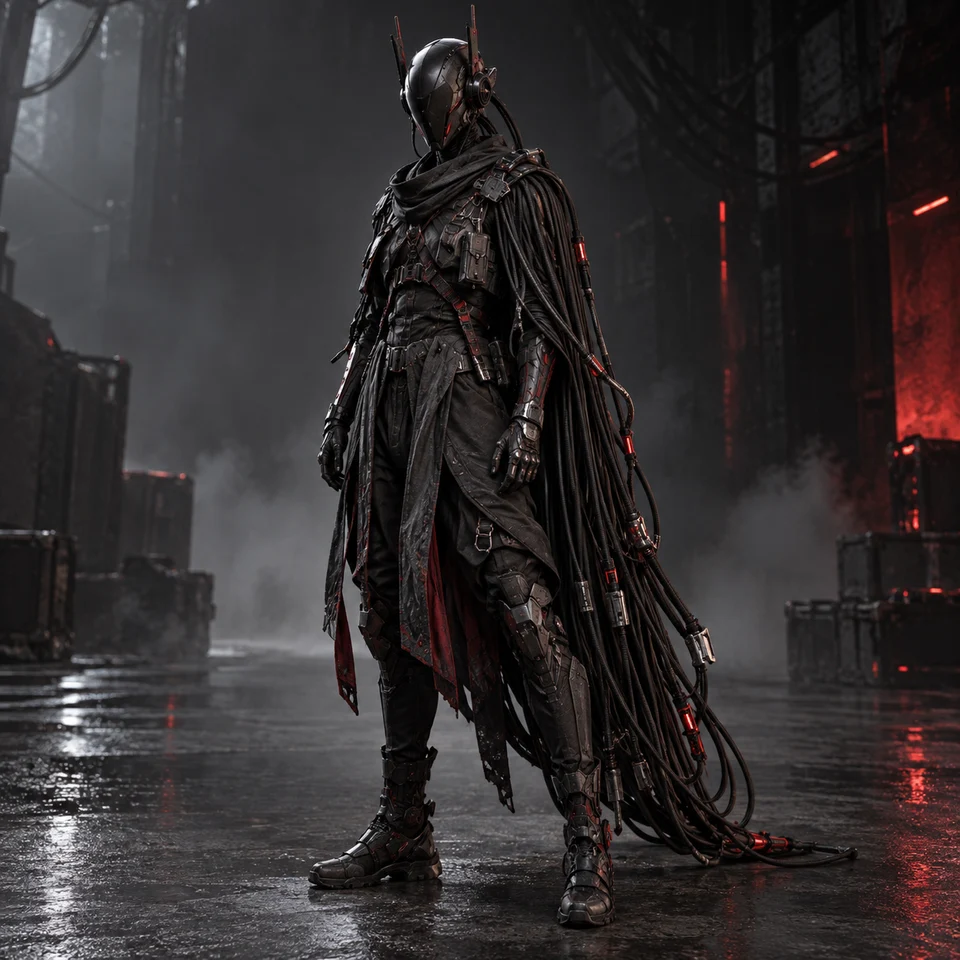
The Helix Directorate calls central control the only defence against corrupted memory. The Ghost Union steals sealed archives and returns fragments to the people named inside them, even when the truth starts another feud. The Free Circuit keeps neighbourhood relays independent and trades access for repairs, food and safe passage. None owns the whole truth. Their conflict asks who should be allowed to preserve a memory, and who gets to delete one.
A city built in layers
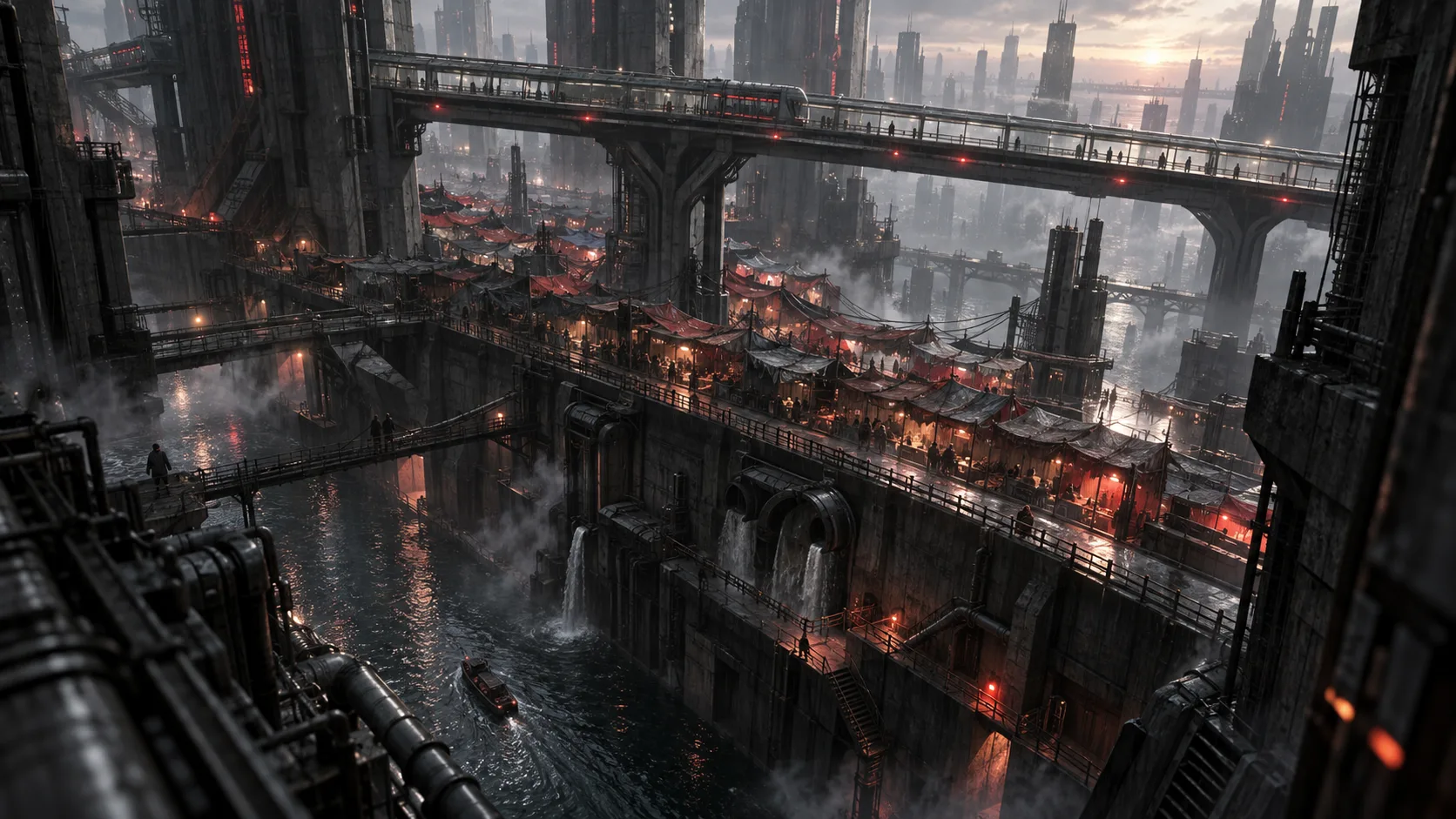
The Glass Spine carries corporate traffic above the old roofs. Beneath it, the Cinder Market runs on generators and face-to-face promises. Farther down, the Sump Channels follow cooling pipes into abandoned data vaults. These districts are tactical grammar, not interchangeable scenery: height offers information, crowded cover shortens sightlines, and underground routes trade visibility for limited exits. Read the route before choosing the weapon. A long rifle is little comfort when both stairwells belong to another squad.
Why operators keep fighting
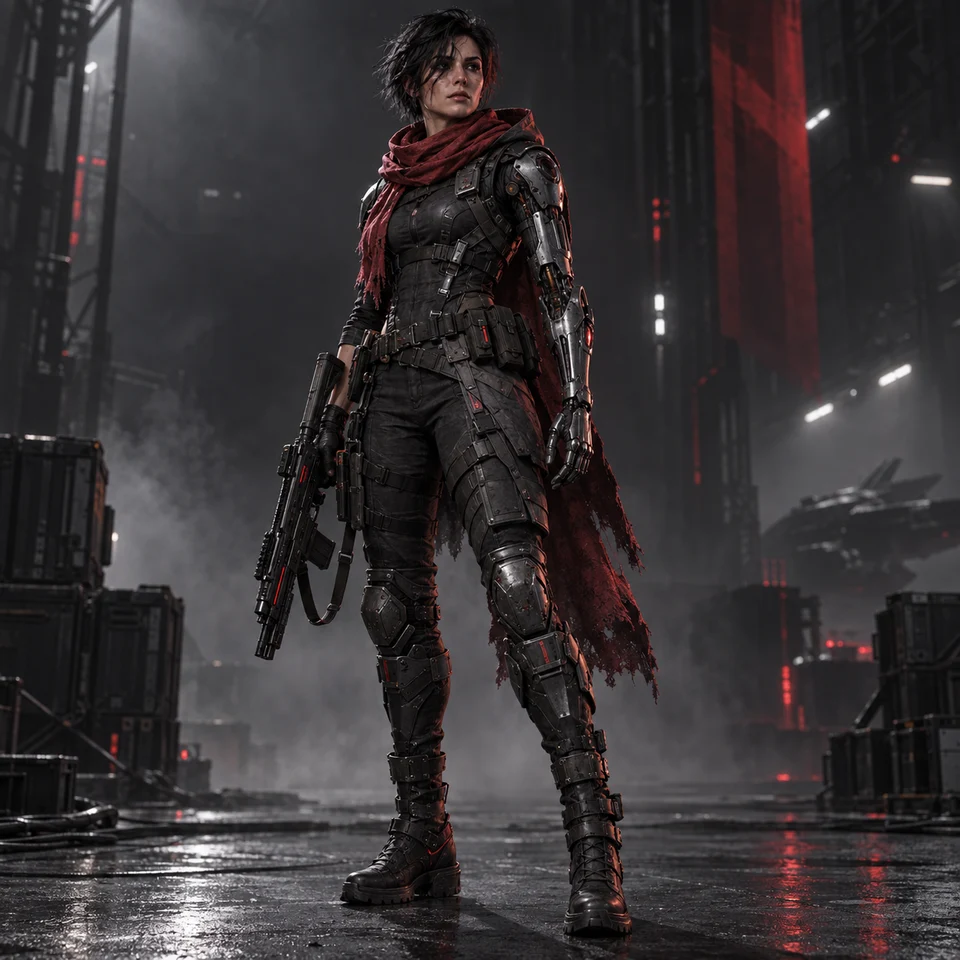
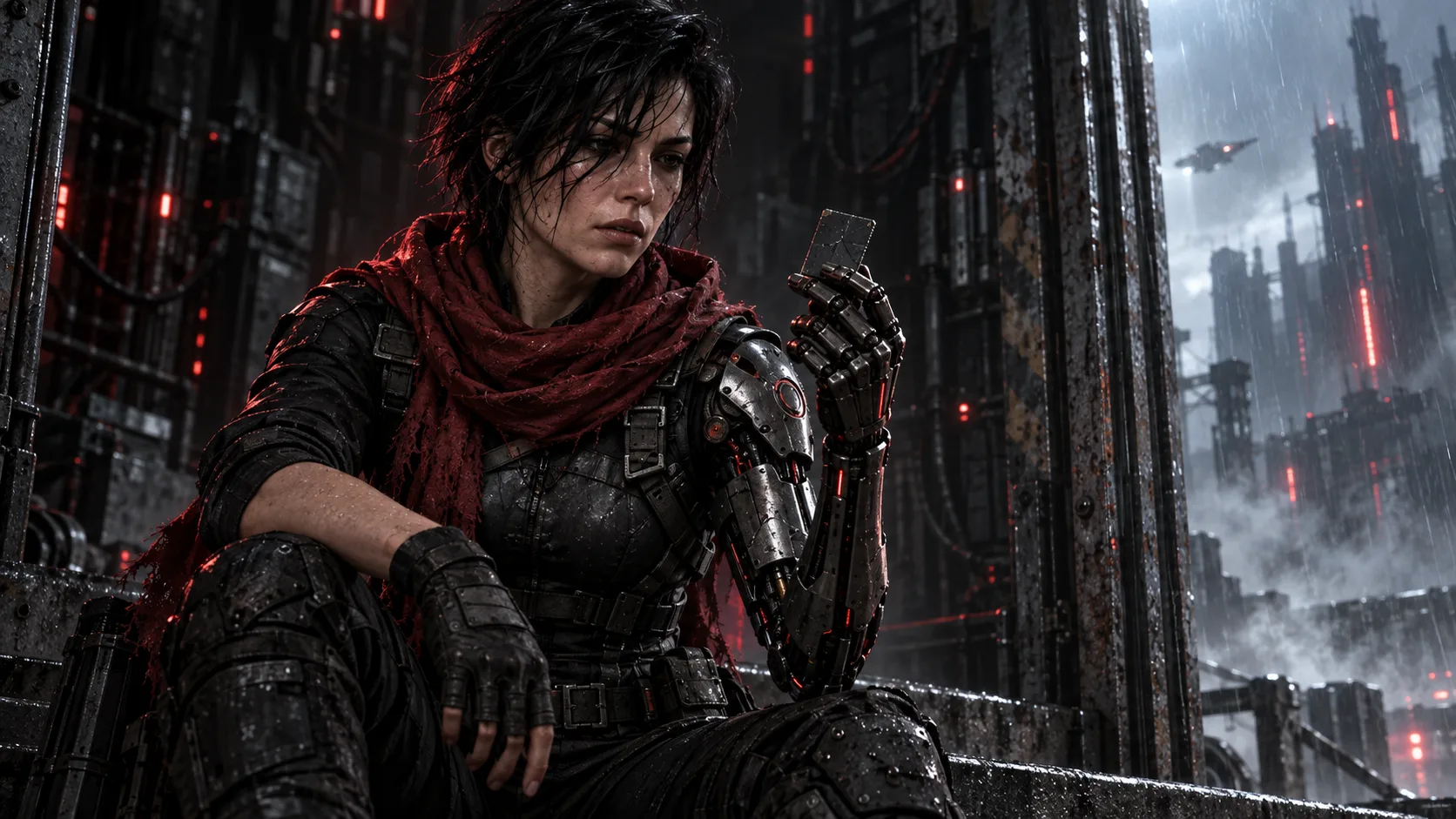
A recovered signal is not automatically a treasure. It might contain a stolen medical history, the coordinates of a safe house or evidence that a trusted commander rewrote an evacuation order. Operators enter the conflict for specific people rather than an abstract scoreboard. VEX searches for her erased sister and the missing interval in her own memory. A contract can pay for repairs while still forcing an ugly choice: deliver the archive untouched, or inspect it and risk exposing the people it protects.
From fiction to play
The signal war turns Veyra’s history into immediate decisions: locate a transmission, establish a route, commit to an objective and survive the response. PvP contests who controls the network; PvE explores what the network left running; Battle Royale asks what survives when it collapses. Their common language is information. Winning a fight changes what your squad can do next. A cleared stairwell might secure an upload, open a rescue route or expose the person carrying the only intact archive.